

Creative versatility does not matter if the work never gets finished.
How Social media turned creativity into a constant visibility loop.

Every Essay is being written with an album in mind, which is playing at the same time we are writing what you are reading right now, so for full experience we highly recommend going to your music provider and play “CASE STUDY 01” By Daniel Caesar as you are reading this, promise it’s worth it. Ok back to the topic now!
What does being versatile even mean anymore when social media rewards showing range over finishing work? When everyone is encouraged to be everything at once, specialization starts to disappear, and project quality quietly takes the hit. The problem isn’t branching into new outlets, it’s spreading yourself thin before something is fully formed. And when there are no levels to enforce that growth, careers don’t fail loudly, they slowly fade out…
We read a Virgil interview recently where he mentioned moving on from a project once it hit around 70% completion. For him, that approach worked. But that interview happened before social media turned creativity into a constant visibility loop. Back then, unfinished ideas could live privately. Today, adopting that same method comes with real risk, because every move is public and every pivot gets read as output. The demand for constant invention pushes creators into new territories before the previous work is fully formed. Sometimes it’s curiosity. Sometimes it’s ego. Sometimes it’s a quiet overestimation of possible range. That’s why you see creators speaking on things far outside their field, not out of mastery, but just to stay present. There is no complete creative, the same way there’s no basketball player who can truly play every position. The context matters, and copying the method without the moment often does more harm than good.
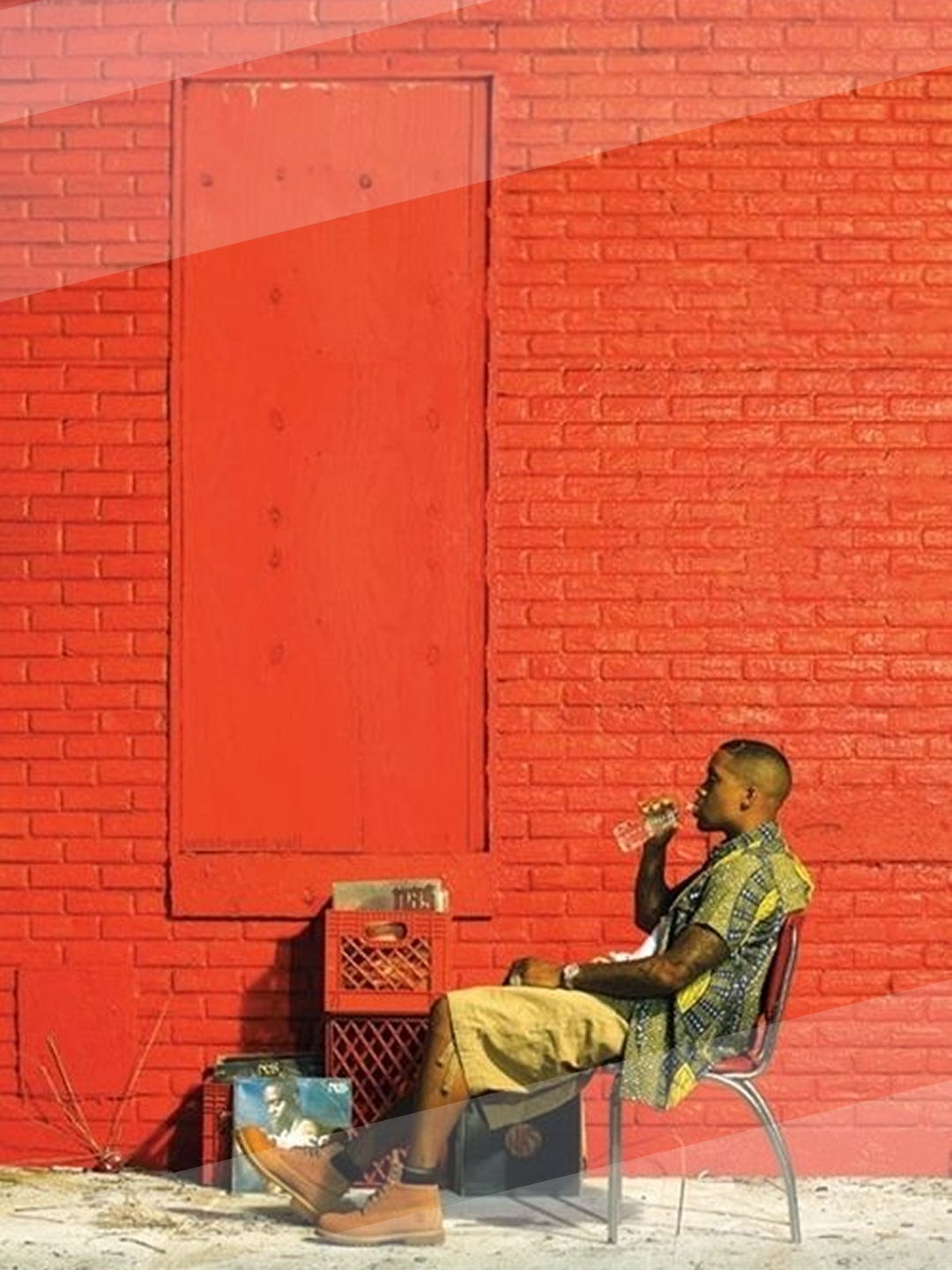
We’ve been conditioned to copy frameworks, and content economics only accelerated that. There’s money in packaging methods, routines, and systems, so they travel fast and lose context along the way. And frameworks themselves aren’t the problem. No one invents the wheel every time, and good frameworks can help you calibrate yourself and explore new ways of working. But there’s a big difference between learning from a framework and blindly adopting it.
The real issue is timing, level, and leverage. When was this framework created? At what stage was the person operating when it worked for them? Do you aspire to their position, or do you just admire the output? The right framework at the wrong time can sink your battleship. People also forget the leverage involved: resources, teams, trust, and margin for failure. You can study Steve Jobs all you want, but don’t confuse inspiration with immersion, becuase as cinematic as it feels, you’re not running Apple right now.
When someone starts juggling too many ideas and moves into new spaces before fully realizing the one they’re already in, the craft weakens. Not because learning ever stops, but because attention gets divided before the work earns its depth. You see it all the time. Artists who once had strong runs slowly go quiet, and when they speak about it, it’s framed as burnout or boredom. That’s valid. But then you notice the pivot, a new project, often far outside their original lane; and suddenly the absence makes sense. The energy didn’t disappear, it was redistributed to a different outlet. This isn’t unique to music. You see it in fashion, art, and every creative industry. Just because you can move into new areas doesn’t mean you should chase all of them at full force, because range without restraint doesn’t elevate the work, it actually fragments it.
The key is to treat every project as a vessel inside a bigger one. Think about basketball for a second. Every player knows how to do a layup, shoot the ball, and play defense, well, at least when they want to. But some players take one attribute and push it to another level. Lu Dort with defense. Steph pulling from three. Kyrie with an insane layup package. They stick to it, they perfect it, and once that lane is clearly theirs, then they expand.
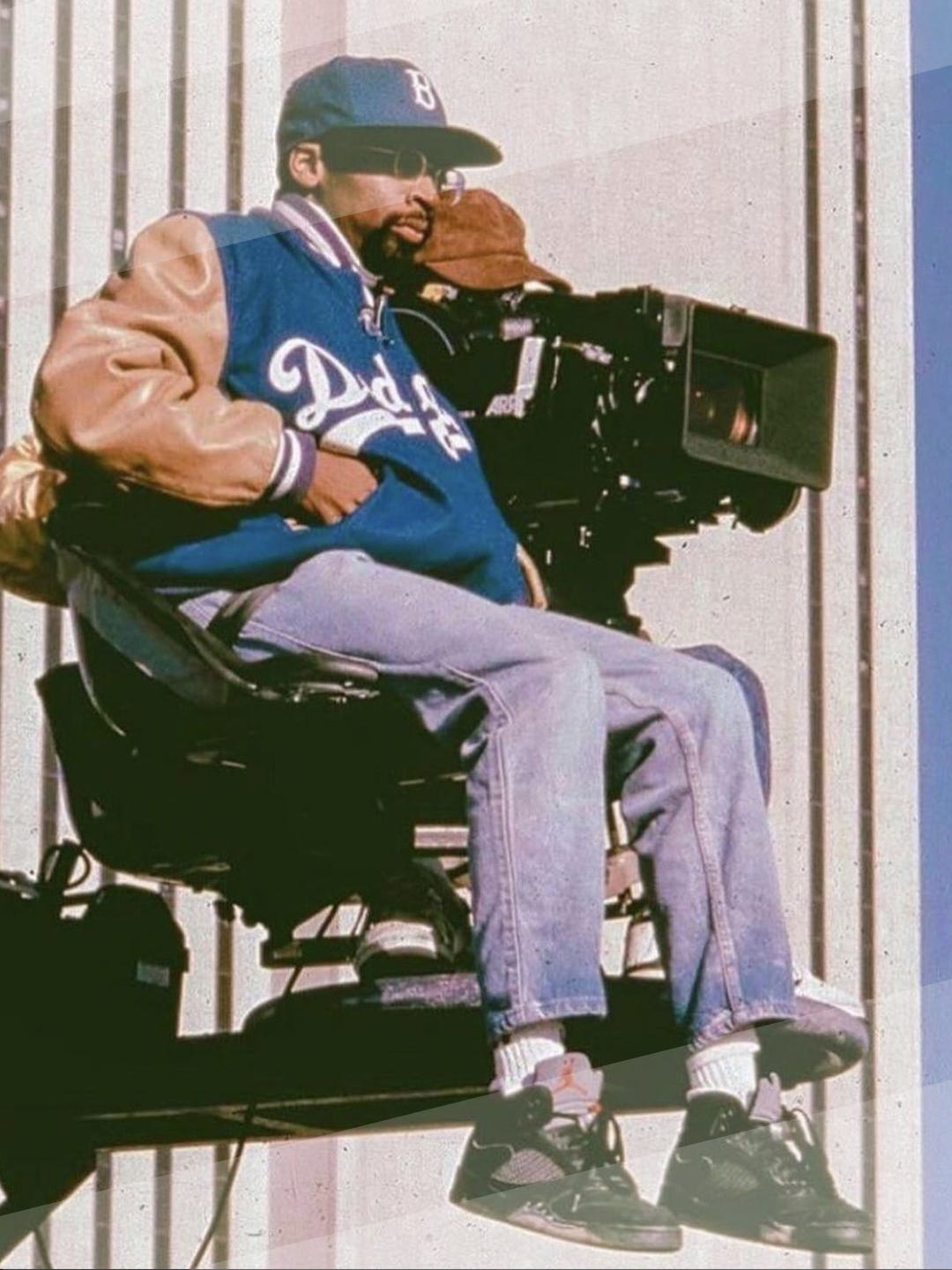
Steph with passing, Melo with Rebounds, and Jordan, well, the OG Chicago 85’s. The point isn’t to limit range, it’s to earn it over time, with progress.
You make something yours first, become known for it, and only then let other creative outlets extend that work instead of distracting from it.
In the end, curiosity isn’t the enemy. It’s the premature expansion that urges you to divert before the work is ready. Until something is finished, owned, and understood, versatility is just movement without direction. The creatives who last aren’t the ones who touch the most lanes, it’s those who build one lane so clearly that everything else has a reason to exist.
Digging into unique frameworks have definitely help me delve deeper into what truly aligns. Passion for research fuels discipline. This in turn anchors the consistency needed to finish, own, and understand with intention.
I agree totally with what you said. In today's world, mastery have become the most expensive and rarest currency. Everyone is doing everything now it hard to spot area of expertise in people's work or creation now